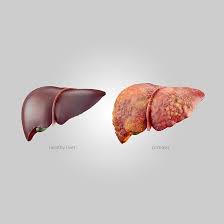
What Cirrhosis of the Liver Complications?
In addition to various blood-related issues, the complications can include spontaneous bacterial peritonitis, coagulation issues, and more. Coffee consumption is encouraged as it slows the scarring associated with cirrhosis. It is also advised to stop drinking alcohol and smoking. Consult Dr. Piyush Ranjan, one of Delhi’s top liver cirrhosis specialists.
Serious problems can result from liver cirrhosis. To avoid issues related to liver cirrhosis, it is therefore preferable to visit the best liver expert in Delhi. While some of the challenges may take years to manifest, others might be seen as the first signs of liver cirrhosis. Below are some issues brought on by liver cirrhosis:
The most frequent cirrhosis of the liver-related complication is portal hypertension. The portal vein experiences more pressure, which is how it is identified. Blood flow through your liver is blocked, which causes stress in the portal vein. The veins in the oesophagus, stomach, and intestines may then become partially obstructed as a result, becoming larger. Portal hypertension can result in serious internal bleeding, spleen swelling, leg, ankle, and foot edoema, an accumulation of fluid in the abdomen, shortness of breath, and possibly kidney failure.
Cirrhosis of the liver can cause complications such as confusion, psychosis, difficulties thinking, behavioural abnormalities, and even coma. Because the liver and small intestine are unable to flush out the poisonous substances, it causes a buildup of those substances in the intestine.
Hypersplenism: The spleen is where blood cells are made. The spleen may become overactive due to liver cirrhosis, quickly and prematurely destroying these blood cells.
Infections: A person with liver cirrhosis is more likely to contract an infection. Cirrhosis of the liver can lead to illnesses such bacterial peritonitis, in which the tissue lining the abdominal wall becomes contaminated.
Malnutrition: The liver breaks down every vitamin that comes from meals. It becomes difficult to obtain all the nutrients in conditions like liver cirrhosis, which causes weight loss and general frailty.
Liver cancer: According to research, those who have liver cirrhosis are more likely to have the disease.
Liver Cirrhosis Stages
Liver Cirrhosis primarily goes through four stages, which are as follows:
Stage 1: The first stage has very few symptoms. Very little harm has been done. At this stage of liver cirrhosis, there is only mild fibrosis seen in this case and no wall scarring.
Stage 2: The fibrosis starts to progress from mild to moderate in this stage. Scarring can be faintly noticed.
Stage 3: In the third stage, the liver’s fibrosis and scarring begin to spread throughout the organ.
The fourth and final stage is this one. At this level, there is significant scarring visible, and this condition is known as
How can liver cirrhosis be avoided?
Treatment for liver cirrhosis necessitates a number of dietary and lifestyle changes in addition to medical care. Some of the lifestyle changes for the treatment of liver cirrhosis include:
Limit your alcohol consumption if you regularly consume it. Experts claim that exceeding the recommended daily limit of two drinks may raise the chance of developing liver disease and liver dysfunction. If you have liver problems, you should never drink alcohol.
Eat a balanced diet: Our bodies require the proper nutrients to continue working normally. Similar to how eating a balanced, low-fat diet can help the liver maintain normal function by filtering out pollutants.
Avoid consuming raw seafood: eating raw clams or shellfish can raise
Cirrhosis of the liver: Diagnosis, therapy, and recovery:
Diagnosis: The following steps are involved in the diagnosis of liver cirrhosis
A quick review of the medical history
A physical assessment
Multiple blood tests
a few imaging exams
liver biopsies
If you live in Delhi, consider speaking with one of the city’s top liver specialists. The following tests or scans may be suggested by your doctor if he has a suspicion that you have liver cirrhosis as a diagnostic measure for liver cirrhosis treatment.
computed tomography (CT) scan of the abdomen
belly-scan ultrasound
Elastography
Magnetic resonance imaging of the body (MRI)
CT scan using magnetic resonance for the pancreas (MRCP)
Biopsy Test for liver function
Your doctor may suggest several liver cirrhosis treatment choices if the diagnostic tests confirm that you have had liver cirrhosis in order to slow the scarring of the liver tissue and ease the symptoms. The underlying cause of liver cirrhosis may be treated in the beginning by your gastroenterologist. Among these therapy techniques are:
Treatment: Depending on the stage of the cirrhosis, the treatment for liver cirrhosis is administered in a number of steps. We have developed a comprehensive examination of the treatment that a person must undergo.
Lifestyle changes: These could involve dietary adjustments including consuming more fiber-rich, low-sodium, antioxidant-rich, and plant-based meals. Avoiding or at the very least minimising the use of
Diuretics: They enhance urine production, which further aids in eliminating any excess salt and water.
Ammonia Reducer: It aids in lowering the body’s ammonia levels and regulating the effects of ammonia.
Beta Blocker: When used in the form of eye drops, beta blockers can assist to lower the pressure on the eyes. Additionally, it aids in lowering the patient’s blood pressure and heart rate.
Antibiotics and antiviral medications assist inhibit the growth of bacteria by killing them and prevent the replication and spread of viruses.
Medications:
Rubber Band Ligation: This procedure includes tying off the blood vessels that are bleeding and stopping the flow of blood. The blood vessel dries out and eventually falls off as a result of the procedure, which is done with the use of a rubber band.
Therapeutic endoscopy: This endoscopic technique makes use of a small, tube-like device with a camera and light at the tip. It is utilised to remove any foreign objects that can cause problems and to gain access to the body’s interior.
A tube or stent is inserted into the liver as part of a transjugular intrahepatic portosystemic unit, which aids by supplying a blood supply backup in the veins.